A chimney can look fine from the ground while problems build inside the flue, around the masonry, near the roofline. Most of that is out of sight for a homeowner, which means damage can go unnoticed until it starts affecting the fireplace or the rest of the home.
Regular inspections catch a lot of this early. But some warning signs shouldn't wait for your next scheduled visit.
Tulsa homeowners who know these signs know when to stop using the fireplace and get the system looked at. Here are seven.
1. Smoke Is Coming Back Into Your Home
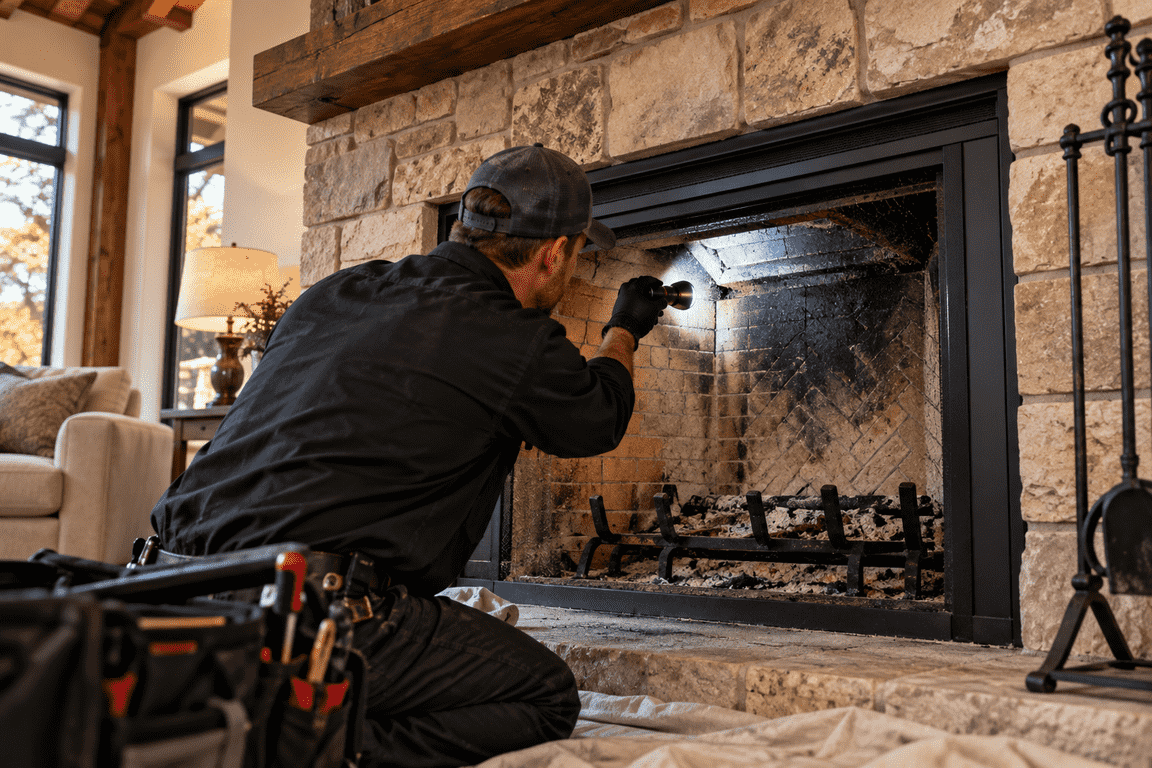
A chimney that's working right carries smoke and combustion gases up the flue and out. Smoke entering the room instead means something's interfering with the draft.
Possible causes:
- Creosote or soot buildup
- Leaves or debris inside the flue
- Animal nests
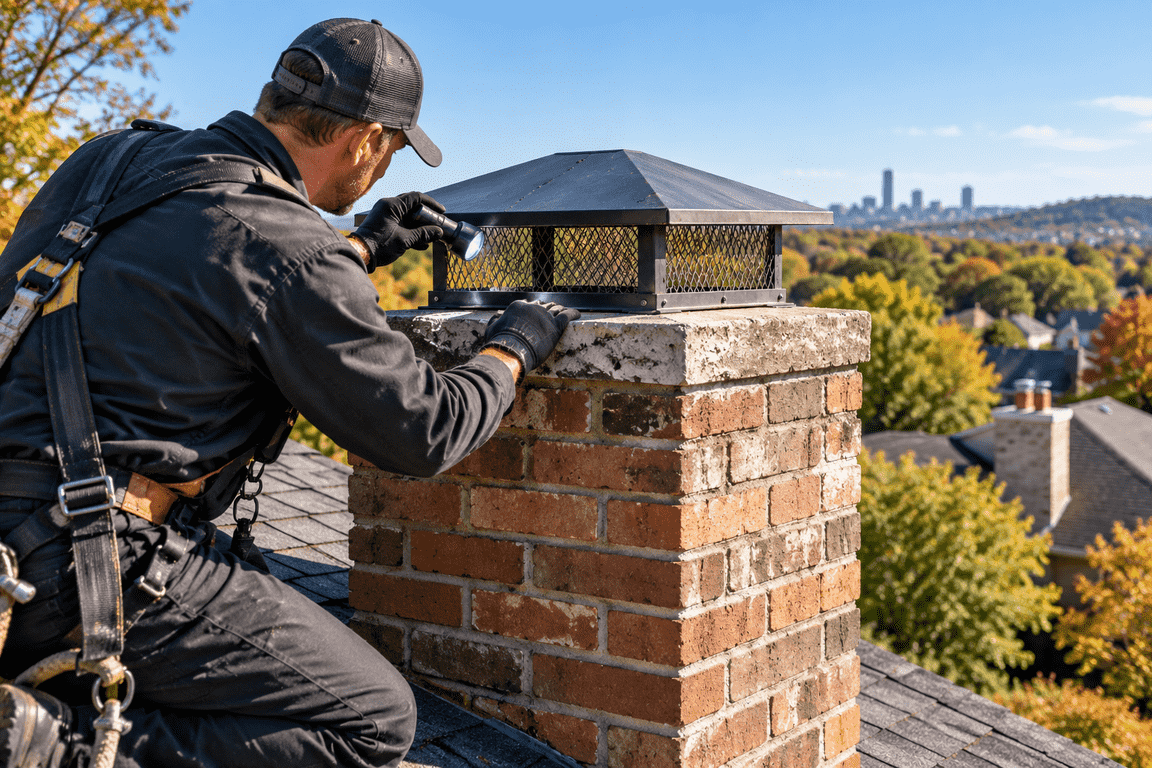
- A damaged or obstructed chimney cap
- Flue damage
- Draft problems
Sometimes it's simple. Sometimes it points to a bigger venting problem.
Fireplace suddenly smoking into the room after working fine before? Stop using it. A professional
chimney inspection finds the obstruction, the deterioration, whatever's actually going on.
2. You Notice Cracked or Deteriorating Masonry
Tulsa weather doesn't go easy on exterior chimneys — heat, rain, wind, temperature swings all year. Brick and mortar take the hit.
Look for cracked mortar joints, loose bricks, missing pieces, sections pulling apart from each other.
Small cracks don't look urgent. They are. Moisture gets in, and once water's inside the masonry, deterioration moves fast.
Depending on how bad it is,
professional chimney repair stops it from getting worse.
3. There's Water Inside or Around Your Fireplace
Water and chimneys don't mix.
Water in the firebox. Damp areas around the fireplace. Staining on nearby walls or ceilings. A musty smell that won't go away. Any of this means moisture is getting in somewhere.
Could be damaged flashing. Deteriorated masonry. A problem with the chimney crown or cap.
Water doesn't stay where you can see it, either — it works into mortar joints, metal components, liners, the building materials around the chimney.
An inspection finds the entry point before it does more damage.
4. You See Pieces of Tile, Brick, or Mortar in the Fireplace
Debris in your fireplace means pay attention.
Small masonry pieces can mean deterioration above the firebox. Clay-like fragments often point to a damaged flue liner.
The liner's job is containing heat and combustion products as they move through the chimney. Damage inside the flue isn't something you can eyeball from the fireplace opening.
Seeing unfamiliar material in the firebox? Don't use the fireplace until it's been inspected.
5. Your Fireplace or
Chimney Has a Strong Odor
Odors show up for different reasons, and they tend to get worse in warm or humid weather.
Creosote deposits bring a strong smoky smell. Moisture brings musty. Leaves, nesting material, or animals inside the chimney bring something else entirely.
An odd smell doesn't automatically mean damage. A persistent or worsening one is worth checking out.
If creosote or soot buildup is the cause, professional
chimney cleaning usually follows the evaluation.
6. You Notice White Staining on the Chimney
White, powdery staining on exterior brick — that's efflorescence.
Moisture moves through the masonry, leaves mineral deposits behind as it evaporates. You can clean the staining off. That doesn't fix why moisture's moving through the chimney in the first place.
Heavy or recurring efflorescence is a sign of ongoing moisture exposure. An inspection finds whether the masonry, crown, flashing, or other exterior components need attention.
7. You Don't Know When the Chimney Was Last Inspected
Sometimes there's no obvious warning sign at all.
Just bought the home? Haven't used the fireplace in years? Can't remember the last inspection? Get one scheduled before regular use.
Chimneys develop blockages, moisture problems, and deteriorating components while sitting unused — doesn't matter if nobody's lighting a fire.
This matters most when you've moved into a home with an existing fireplace. You don't know how the previous owner used it, or how well the chimney was maintained.
Looking for a
chimney inspection in Tulsa? Air Care Services can help you figure out what level of evaluation makes sense.
What Does a Professional Chimney Inspection Look For?
Scope depends on the chimney's condition and whether anything's changed, been damaged, or raised a concern.
Depending on the inspection level, a technician checks accessible portions of the fireplace and chimney — firebox, damper area, flue, chimney cap, masonry, other visible components.
The goal isn't finding something to fix. It's identifying what could affect safe operation and whether cleaning, maintenance, further evaluation, or repair makes sense.
That matters because most damaged chimney signs aren't visible from inside the house.
Don't Ignore Changes in How Your Chimney Performs
Your chimney doesn't need to be visibly falling apart to deserve a look.
Smoke in the house. Water around the fireplace. Deteriorating masonry. Odd smells. Falling debris. Staining on the exterior. All of it means something's changed. And not knowing when the chimney was last inspected? That's reason enough on its own.
Air Care Services has served Tulsa-area homeowners for decades with
chimney cleaning, inspections, and related services. Noticed any of these signs, or just not sure about the condition of your chimney?
Contact Air Care Services to schedule a professional inspection and find out whether you need maintenance, repairs, or neither.