How Often Should You Have Your Chimney Inspected in Tulsa?
How Often Should You Have Your Chimney Inspected in Tulsa?
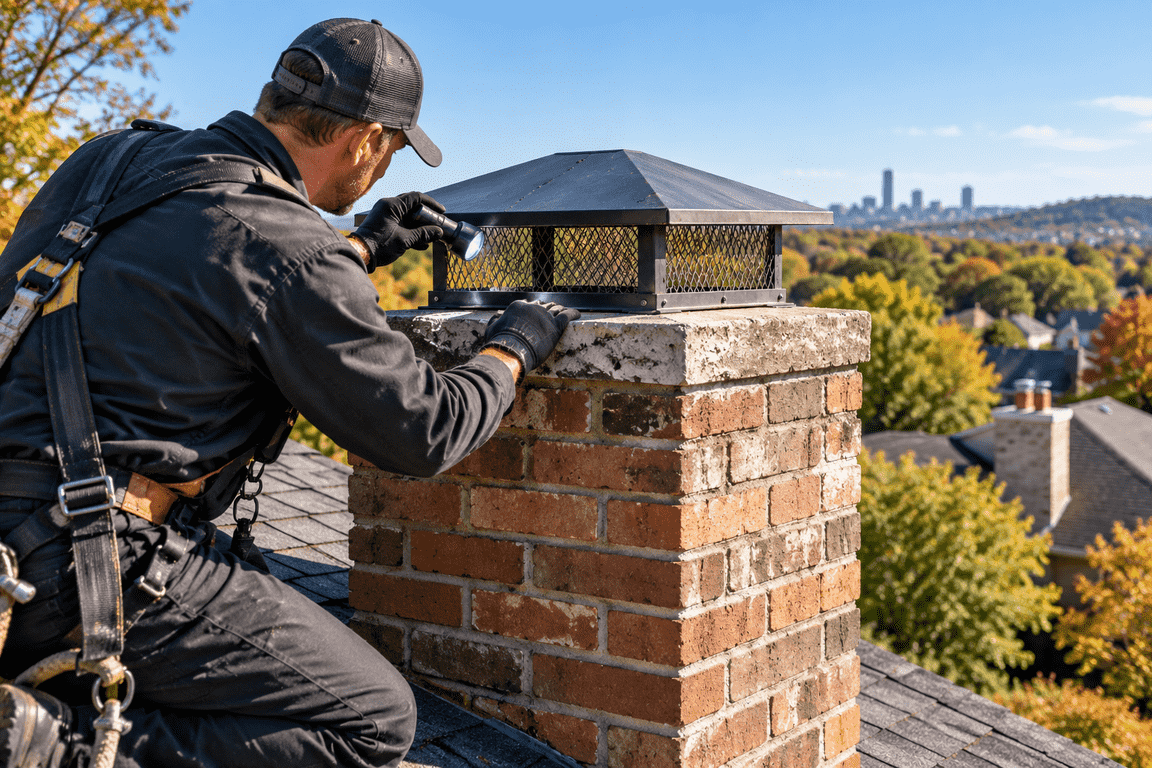
Your fireplace might sit untouched most of the year. That doesn't mean your chimney gets a pass. Seasonal weather, moisture, nesting animals, normal wear — chimney problems show up even when you're not burning a single log.
So how often should you inspect it? At least once a year, and ideally before you fire it up for the colder months.
For Tulsa homeowners, an annual chimney inspection is how you catch safety concerns early, spot developing damage, and make sure the fireplace is actually ready when temperatures drop.
Why Annual Chimney Inspections Matter
A chimney does more than vent smoke outside. It's a core part of your home's ventilation and fireplace system, built to carry combustion gases safely away from living spaces.
Plenty can interfere with that over time.
Creosote builds up inside wood-burning flues. Moisture damages masonry. Leaves and animal nests block airflow. Some of this you'll see from the outside. Most of it, you won't.
NFPA 211 — the National Fire Protection Association's standard — calls for chimneys, fireplaces, and vents to be inspected at least once a year for soundness, freedom from deposits, and correct clearances.
An annual inspection catches what needs cleaning, maintenance, or repair before you're using the fireplace again.
When Is the Best Time to Schedule a Chimney Inspection in Tulsa?
Late summer, early fall. That's your window.
Tulsa's hot summers mean fireplaces sit unused for months at a stretch. During that downtime, birds and animals try to nest in chimney openings, while rain, wind, and shifting temperatures chip away at the structure.
Scheduling a professional chimney inspection before fireplace season means you've got time to fix problems before the first cold night hits.
But don't wait for fall if something's off right now.
Excessive smoke. A persistent odor. Visible damage. Any of these means get it looked at sooner.
Do You Still Need an Inspection if You Rarely Use Your Fireplace?
Yes. This is the misconception that trips up the most homeowners.
Use your fireplace a handful of times a winter? Doesn't matter. The chimney is exposed to outdoor conditions year-round, whether you're burning wood or not.
Watch for:
- Birds, squirrels, or other animals nesting inside the chimney
- Leaves and debris piling up near the chimney opening
- Water entering through damaged flashing or chimney crowns
- Cracked masonry from weather exposure
- Deteriorating chimney liners or flue components
- Blockages restricting proper ventilation
A chimney that worked fine two winters ago isn't automatically ready today.
Inspections matter even more when you've bought a home with an existing fireplace, or you're reactivating one that's sat idle for years.
What Happens During a Professional Fireplace Inspection?
Not every chimney needs the same level of scrutiny. It depends on condition, history, and whether anything's changed in the system.
Level 1 Chimney Inspection
Right fit for a chimney that's been regularly maintained with no major changes or known problems. The technician checks readily accessible portions of the chimney and fireplace for visible damage, deposits, obstructions, other red flags.
Level 2 Chimney Inspection
More thorough. Necessary when you're buying or transferring a property, changing the heating appliance, modifying the venting system, or digging into a specific chimney problem. Includes additional accessible areas plus a video look at the internal flue surfaces.
Level 3 Chimney Inspection
Reserved for a serious hidden problem that can't be evaluated any other way. May involve removing components to reach concealed areas.
Not sure which level your chimney needs? A qualified professional handling chimney maintenance in Tulsa can figure that out.
Warning Signs You Shouldn't Wait for Your Annual Inspection
Yearly inspections are the baseline. Some signs mean you don't wait for the calendar.
- Smoke entering the room — points to a draft problem, blockage, or other ventilation issue
- Strong fireplace odors — persistent smoky or unpleasant smells signal deposits, moisture, or debris
- White staining on exterior bricks — efflorescence, and it means moisture is moving through the masonry
- Cracked or deteriorating mortar — lets water in, contributes to structural problems
- Water inside the firebox — damaged flashing, a failing chimney crown, or another moisture issue
- Falling debris — tile, mortar, or masonry pieces inside the fireplace need a professional look
Seeing any of these? Don't use the fireplace until it's been checked out. Depending on what's found, professional chimney repair may be next.
Is Chimney Cleaning the Same as a Chimney Inspection?
No. They work together, but they're not the same thing.
An inspection evaluates the condition of the chimney, fireplace, flue, and accessible components. Cleaning removes accumulated soot, creosote, and other deposits that interfere with how the system runs.
Your chimney might need an inspection without needing an immediate cleaning. It might also need cleaning even when nothing looks structurally wrong. Professional chimney cleaning handles the buildup — regular inspections tell you what else needs attention.
Make Chimney Maintenance Part of Your Annual Home Care Routine
Easy to forget about your chimney during Tulsa's warmer months. But waiting until something goes wrong turns a manageable fix into a real repair job.
Simplest approach: inspect it once a year, ideally before fireplace season, and handle whatever cleaning or repairs come out of that evaluation.
Homeowners throughout Tulsa and the surrounding communities can explore Air Care Services' local chimney and ventilation options anytime.
Schedule Your Chimney Inspection With Air Care Services
Whether you use your fireplace every winter or a couple times a year, an annual inspection is just responsible home maintenance.
Air Care Services has served Tulsa-area homeowners for decades — chimney cleaning, inspections, and the ventilation work that goes with it.
Been more than a year since your last inspection? Not sure when it was last checked?
Contact Air Care Services to schedule a professional chimney inspection and get your fireplace ready for the season ahead.
Recent Posts